


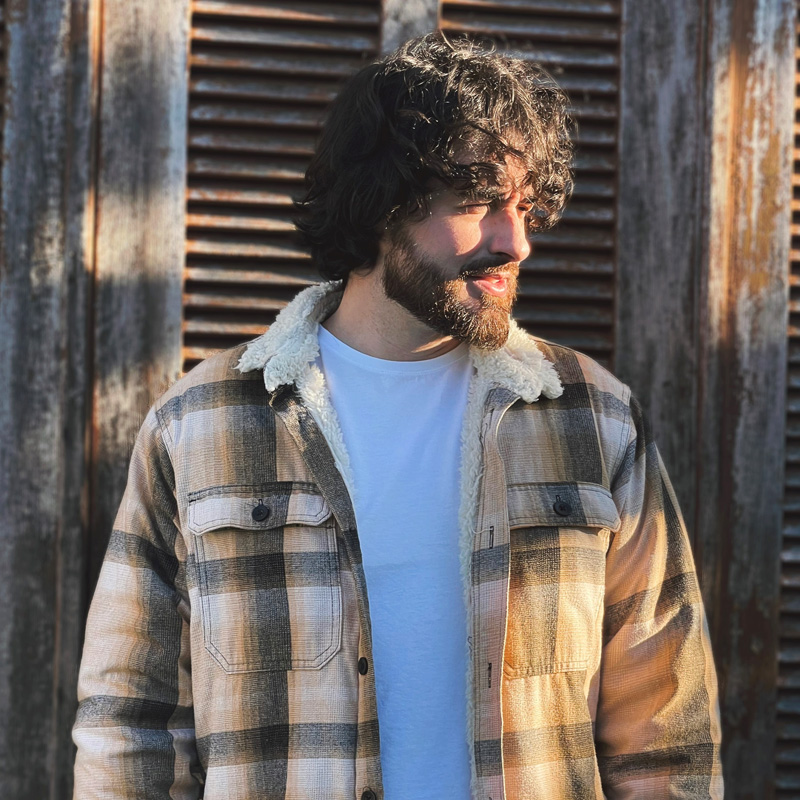
Nerthus: Phil Headway Channels Medieval Fantasy and Nordic Myth into a Rock Call to Arms
Phil Headway’s second album, Nerthus, doesn’t sound like a sequel. It sounds like a battle cry. Released recently, the record pulls from a medieval dystopian fantasy, Nordic mythology, and decades of Headway’s own creative history to build a cinematic, genre-bending set that’s already reached more than 600,000 people on Instagram in its first days.
The name and the world behind it
Nerthus takes its name from a book Phil began writing with his wife Tutti Headway in 2021. The unpublished fantasy is set in a land called Nerthus — a nod to the Norse goddess associated with nature and fertility, also known as “Mother Earth.” Though the book isn’t out yet, it’s already the source code for Headway’s music. Songs like “The Joker is Me” and “752” on Philline came from it, and Nerthus continues that thread.
Opening the gates: from tavern to purpose
The album opens with the title track, “Nerthus,” a plea for unity before a fight. Headway pictured a dimly lit tavern: men sitting with their heads down over drinks until a knight stands up, urging them to raise their swords and face the war outside, even as it snows.
That scene rolls straight into the folk-rock cut “You Put Yourself on the Road.” The song was sparked by something Tutti told Phil in 2022, when he was about to return to music after years focused on literature. It’s about purpose — choosing to give up comforts to pursue a successful career.
The centerpiece: ‘Don’t Dude Me’
“Don’t Dude Me” is where Nerthus reveals its layers. It starts with Phil’s voice run through a vintage, saturated speaker, a muted acoustic holding the harmony, and a resonator slide answering the verses. What most listeners miss at first is the sound bed underneath: cellos scratching at their strings, eerie violins, and wind effects that create a surround sense of mystery. Isolate the main tracks and you’ll hear what sounds like an epic film score.
Lyrically, it also comes from the fantasy book. It tells of a greedy king who keeps people under his control — even their minds. They get moments of clarity, but keep returning to the temporary pleasures he offers.
The track was also a first for Headway as a player: he’d never picked up a Floyd Rose until recording this solo. He bought the guitar specifically for “Don’t Dude Me” and for “My Van is My Studio,” where he stages a duel between the Floyd Rose and a Telecaster — with himself.
Art that found its album
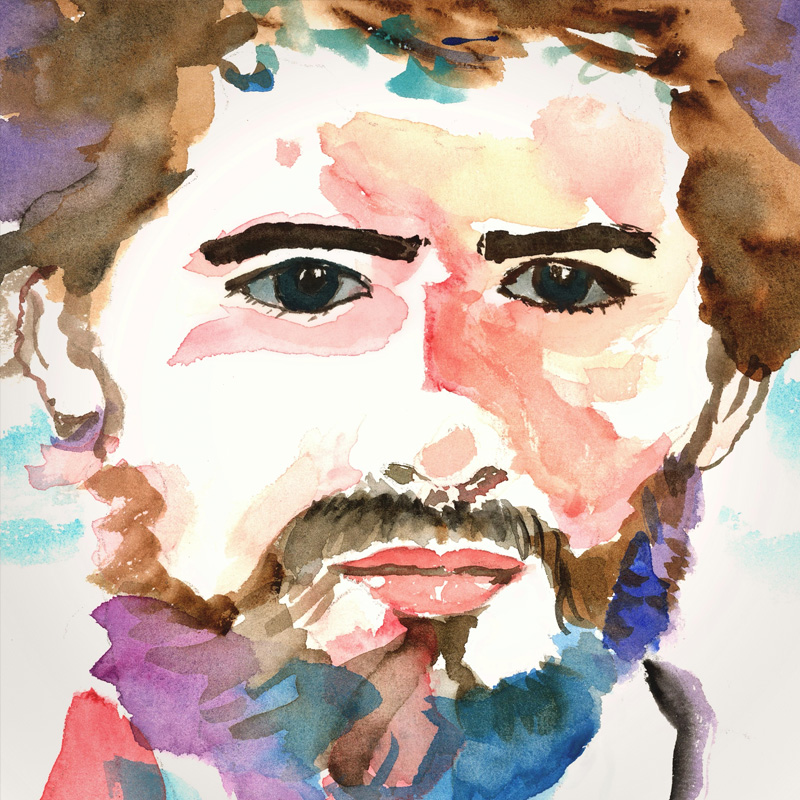
The cover is a watercolor portrait by artist Clelia Schulze. The painting had already circulated in European art exhibitions before it ever reached Phil. According to Schulze, she painted it in just a few minutes as an in-class exercise. When it landed in Headway’s hands, there was no question: it was meant to be Nerthus cover.
Closing the circle at 13 years old
Nerthus ends with “999,” a song with deep roots. Originally a hit in Portuguese with his former band FBB, Headway wrote it around age 13 after he and friends filmed a parody called “Idiot News.” In the sketch’s commercial break, viewers were told to call 999 if they felt depressed. In 2025 he pulled the song from the drawer, translated it to English, and recorded it after several rehearsals. He calls it one of the most challenging lyrics he’s ever written.
The sound
Across the album, Headway uses his vocal versatility like a cast of characters — satirical, mysterious, aggressive when needed. The influences of 1970s and 1980s rock are worn like a badge: AC/DC, The Rolling Stones, Kiss, Billy Joel, and Pain of Salvation all show up, caricatured and recombined into what fans are calling the “Headway consistency.” That’s him, that’s Captain Mockery.
Bohemian and built for live rooms, Nerthus plays best in bars, pubs, rock festivals, or with friends around a pool table. But underneath the swagger is a record about waking up, choosing a path, and refusing to be ruled.