Biography
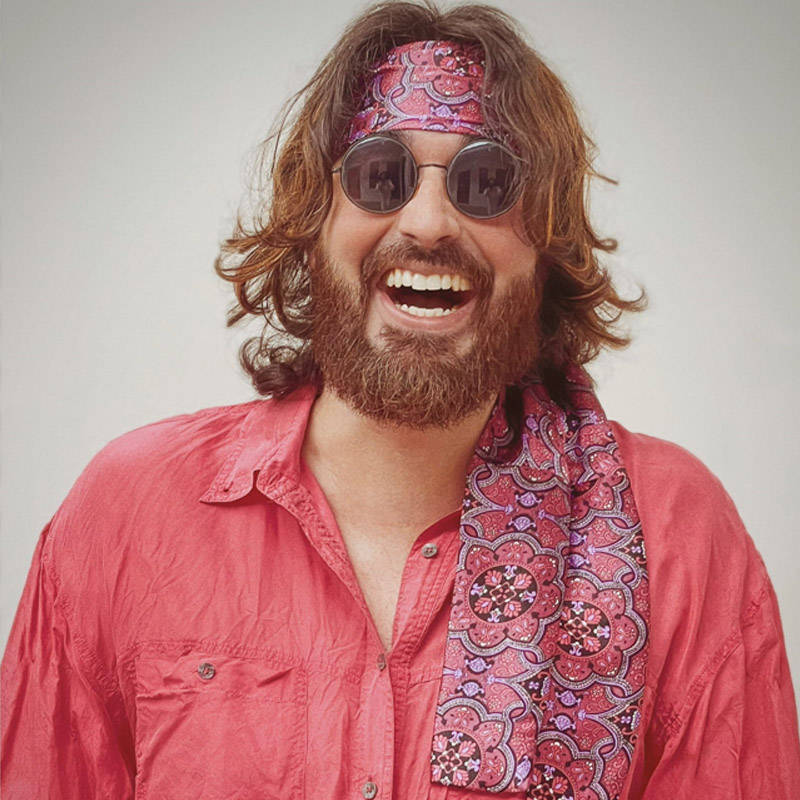
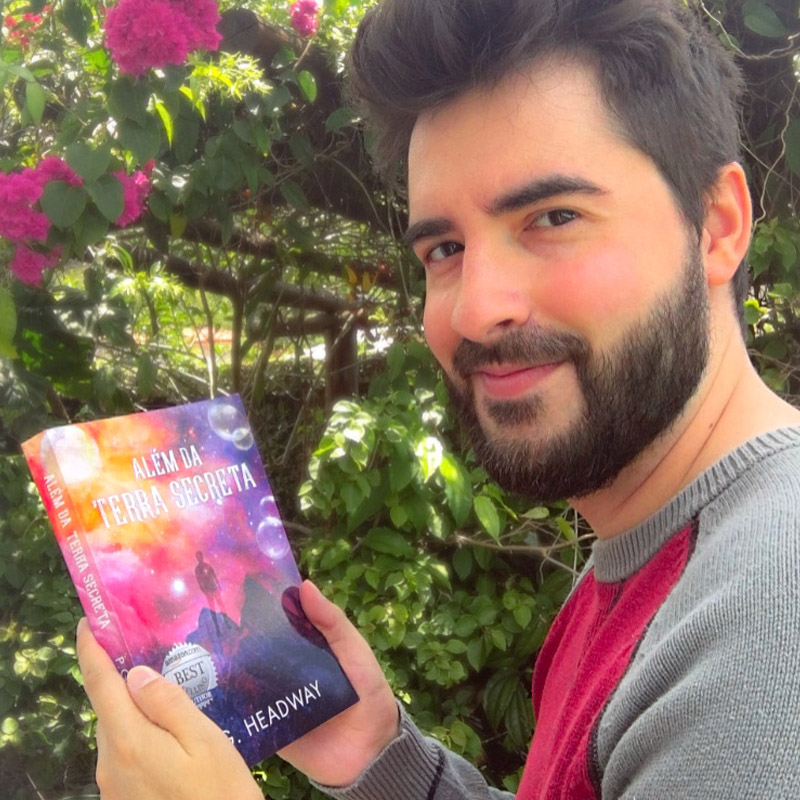
Phil Headway is an Americana folk rock singer and songwriter with over 150 songs, including the musical The Dream Rider. He’s also the author of the bestsellers Beyond the Secret Land and A Rebel Writer — books born from wounds, dreams, and the stubbornness of someone who refused to stay silent.
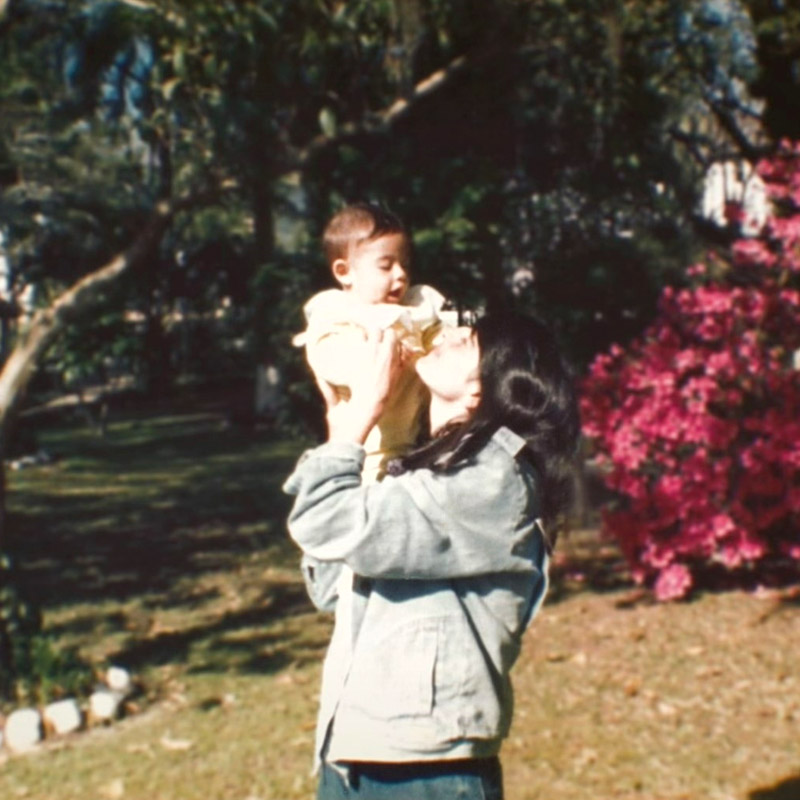
Phillip Gustave Headway (born Felipe Gustavo da Silva Pereira) was born at Carmela Dutra Maternity Hospital in Florianópolis, Santa Catarina, on March 28, 1989. He’s the son of electrical engineer Sergio Luiz Pereira and psychologist and writer Maria Elivete da Silva Pereira, known as Maria Headway.
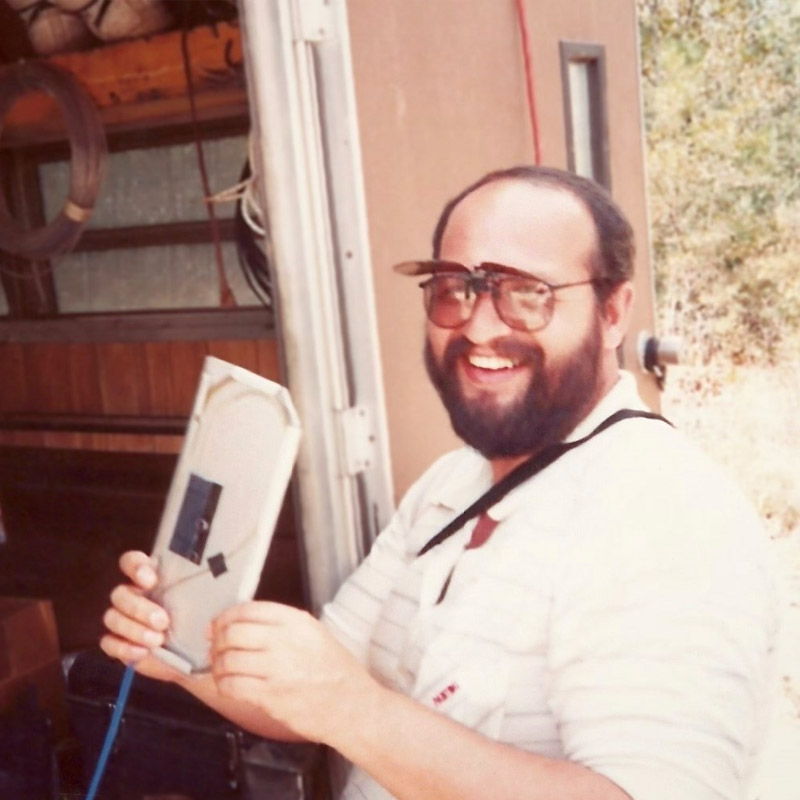
Phil Headway came into the world as the greatest gift his father could ever receive, since they shared the same birthday. Sergio was the one who brought fiber optics to Santa Catarina, and that’s why he spent months in the United States. Every time he came back, he brought more than technology: he brought accent, habits, records, friends. Sergio didn’t have an American passport, but he had an American soul. He spoke, acted, and even ate like one. In their living room, mathematicians like Donald Silberger and historians like Klaus Heinrich Schulze, a German raised in Bristol, blended into the family, so Phil grew up hearing English even before he understood Portuguese.
The records Sergio and Maria brought back from Dallas in 1993 changed everything. Bob Dylan, Waylon Jennings, Willie Nelson, Ella Fitzgerald, Louis Armstrong… and a collection of Disney VHS tapes, Sing Along Songs, with the musical moments that lit up the room. Phil’s parents had no idea that heavy suitcase was carrying his future. Every needle drop on vinyl was a seed being planted.
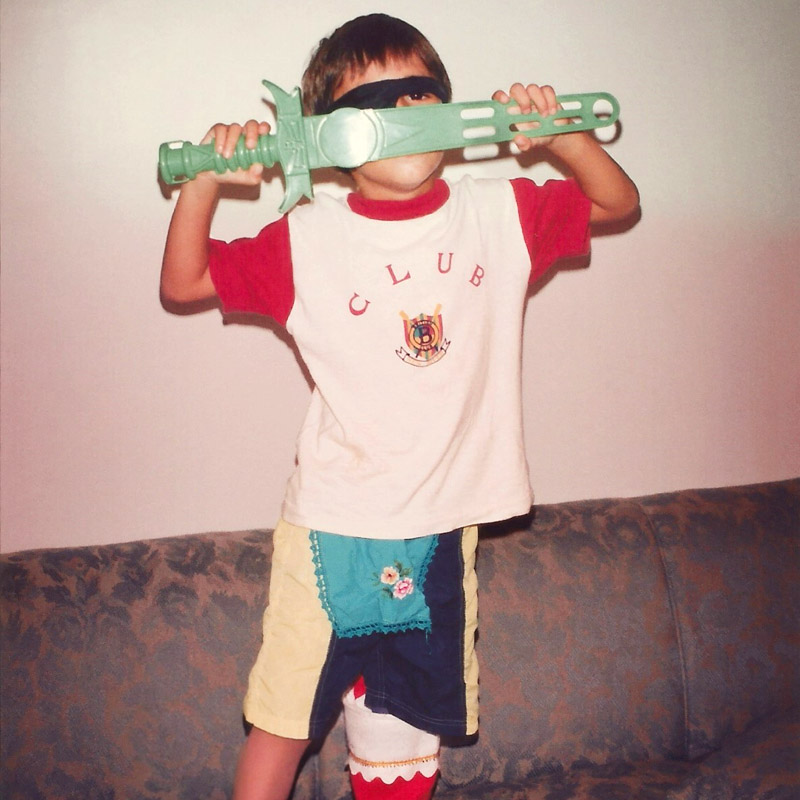
Because of that half-American, half-British world, Phil grew up feeling like a foreigner in his own country. The customs didn’t fit, the way he saw things didn’t match. Maria, knowing this, found an alternative school that could give him the best education possible, given the signs of prodigy Phil was already showing so early on. The curriculum was one of a kind: circus classes, theater, arts in general, and children’s music training. It was literally a playground for kids — a small, cozy, family-like environment where they were encouraged to create all the time.
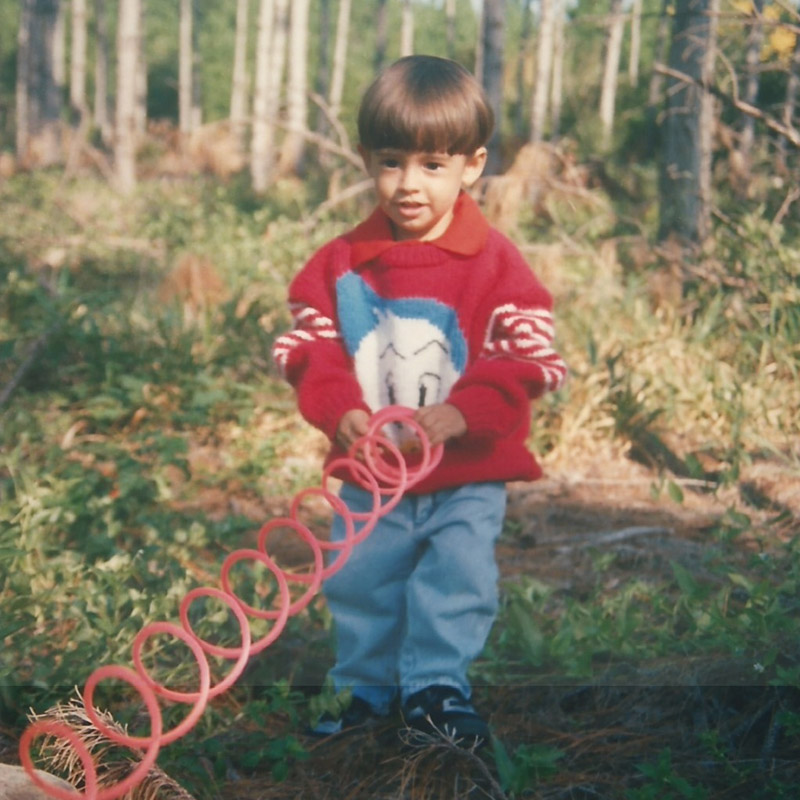
At three years old, Phil wrote his first song, “This Flower.” Maria recorded it all on a cassette tape. It was the story of a boy in love who, if rejected, would send the flower to New York. Even in rejection, he was already dreaming far.
Another key piece was his paternal grandfather, Joaquim. A self-taught guitarist, paraplegic since a car accident in 1987, he lived with the family and turned his room into a stage. Phil would spend hours watching his grandfather pick out songs by ear, as if the melody already lived in his fingers. If his grandfather could do it without legs, Phil thought: I can do it too, without fear.
On his mother’s side, the story was different. His aunt and godmother Leia was his catalyst for adventure. Through her and his mother, Phil grew up hearing stories about his great-great-grandfather Captain Domingos, an unofficial sailor — also called a pirate — who left old Europe behind in search of a new life in uncharted lands. According to family accounts, his ship docked at a beach in Balneario Camboriu that he named Praia do Estaleiro. Legend says that’s where he hid great treasures never found.
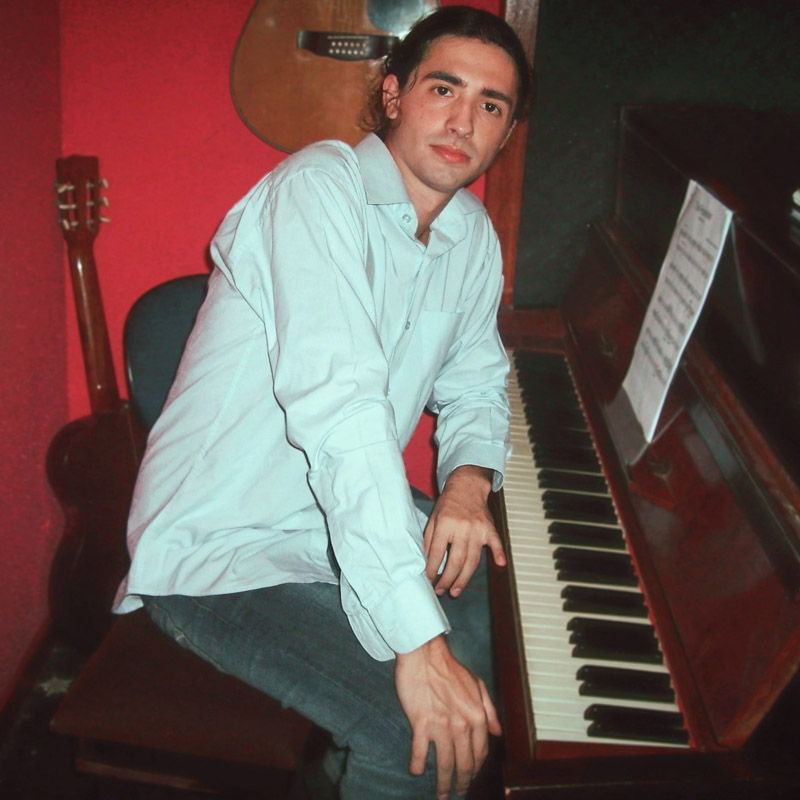
At 8, he started classical piano and joined the school choir. Young Phil was so quick he became the conductor’s assistant, guiding his classmates’ vocal lines. And he still had time to be the clown in the circus shows. With his younger brother Peter and their friends, they created “Blast Circus”: an old camera, amateur radio, laughs until they ran out of breath. It was a real childhood — loud and happy.
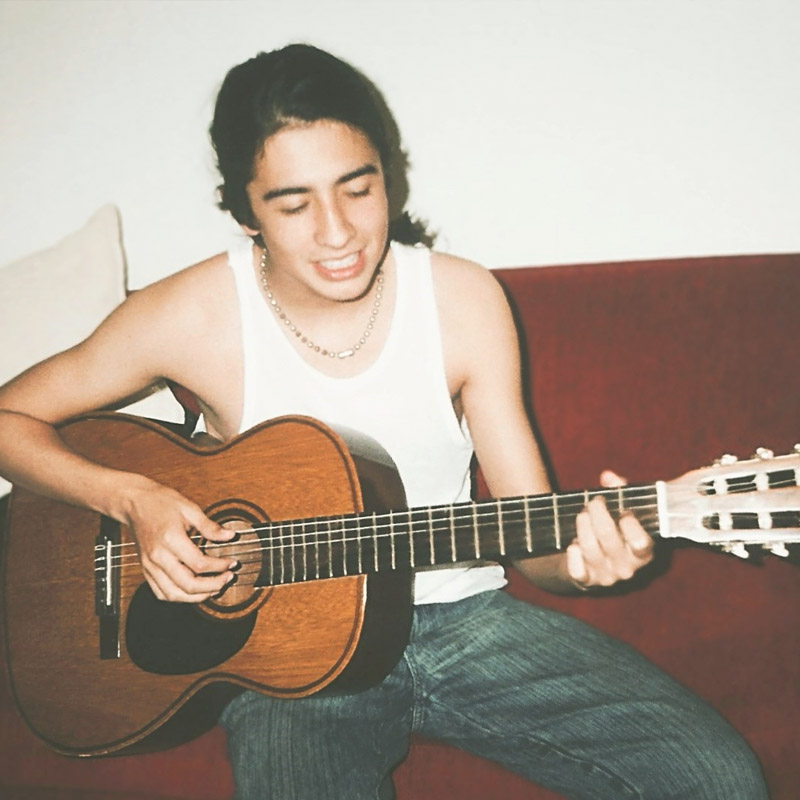
On December 31, 2001, the world collapsed. Sergio suffered a fatal heart attack. The family’s “Mufasa” was gone, and with him the warmth, the safety, the center. Phil, Peter, Maria, and the dogs Miko and Geni were left with emptiness. Relatives and friends drifted away, the house turned gray. And to keep from getting lost completely, Phil, at 12, grabbed a guitar. If the pain wasn’t going away, at least it could turn into music.
Months later, he was already composing. Every new chord became a new song. His room became a refuge. There he talked about his father, about longing, about time travel to rescue what had been lost. What was shelter turned into a cross too heavy for a boy to carry alone.
At 13, came the diagnosis: severe depression. Maria was his shield and guide. More than a mother, she was a psychologist, and she led Phil through it without letting him fall apart. One of the things that marked the start of Phil’s career was when Maria would take him to play in bars around town. Because he was underage, he needed a responsible adult with him. They became bar buddies. And songwriting partners.
Maria says it was Phil who rekindled the poet sleeping inside her. While she wrote verses, he turned them into music. That’s how “What a Crazy Love is That?”, “Just a Decoy”, “What do You Want”, “Promised Land”… and so many others were born. Healing came as a duo.
The depression lasted years. The medication came with it. At 14, Phil hallucinated: he would see himself sitting beside the bed, watching him. The worst part was pretending to be normal for his little brother, who was also bleeding in silence.
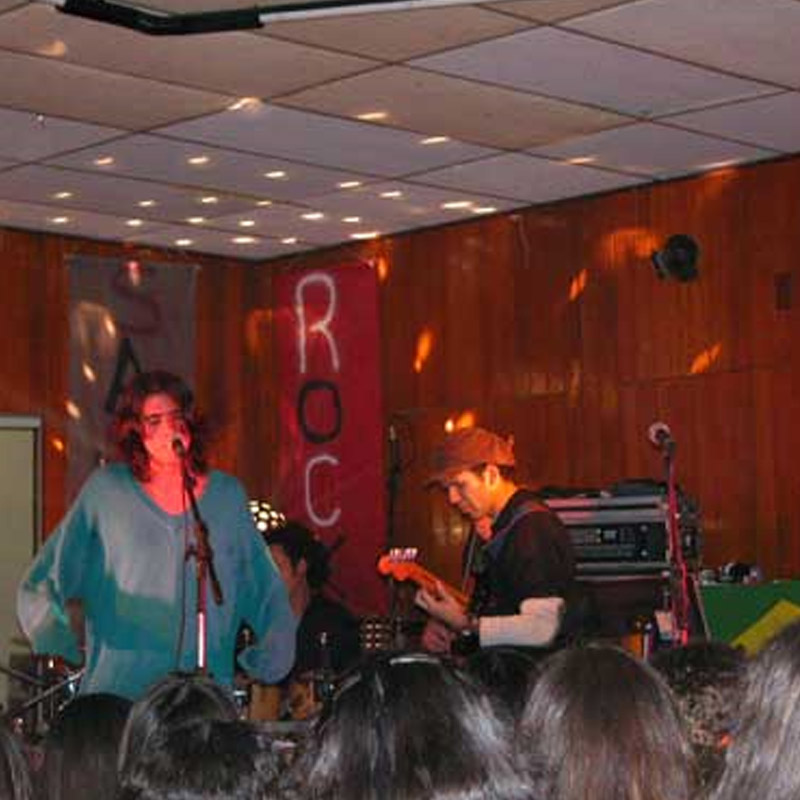
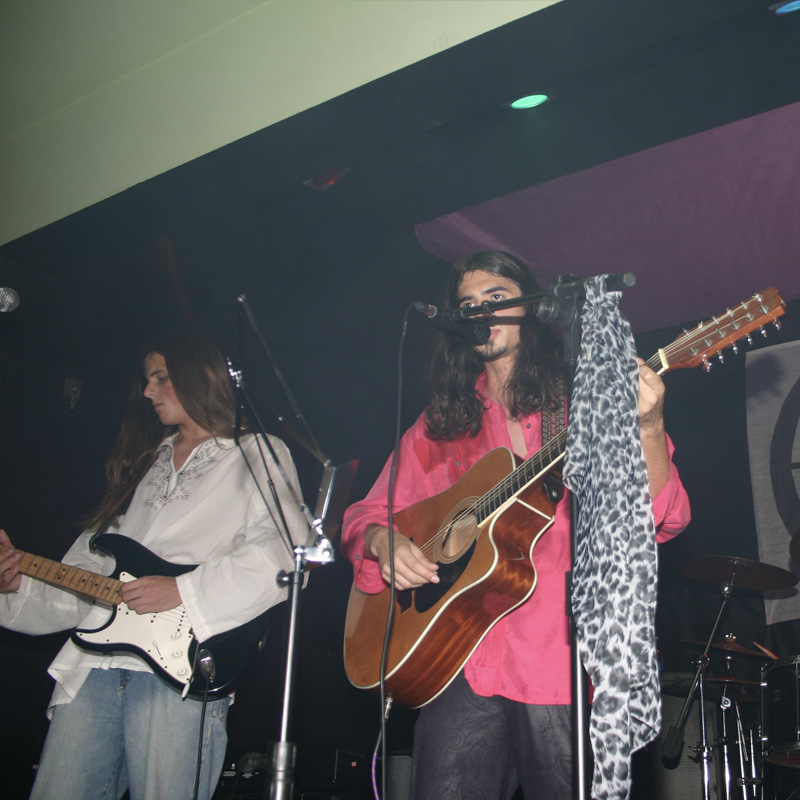
In 2004, the first stage: Sarapirock festival. Phil played his songs and was noticed by Pedro Loch, a schoolmate with long hair and a Led Zeppelin shirt. Until then they were strangers. That night, Loch discovered a hidden rock icon. Phil discovered a virtuoso guitarist.
The band Deja Vu was born in the garage at home. Phil on keys, guitar, and harmonica. Loch on guitar. Then came Claudio Bousfield on bass and Douglas Petroski on drums. Four teenagers making the neighborhood shake. Maria built a studio, an extension of Phil’s room, soundproofed for the band to rehearse. The Deja Vu logo was a man diving into a well — but it wasn’t a depression well anymore. It was a well of art.
Deja Vu became Fucking Blue Brothers, then FBB. They played two more editions of Sarapirock and gained Andre Lincoln, a keyboardist in his early 30s who saw talent where others only saw noisy kids. With him, Phil could soar on vocals.
In October 2006, they played their debut show in Phil’s backyard, with 180 people in the audience on a cold, rainy night. They premiered the medley “The Life’s Scream,” made up of five Headway songs: “The Little Flute,” “My Heart’s not Beating Anymore,” “Guitar Class,” “You Fight Against the Loneliness,” and “Funking You.” The show was a total success, and FBB had every chance of blowing up in the months ahead. But after a few shows, the opposite happened. The band members had very different realities and interests. The band ended in early 2007.
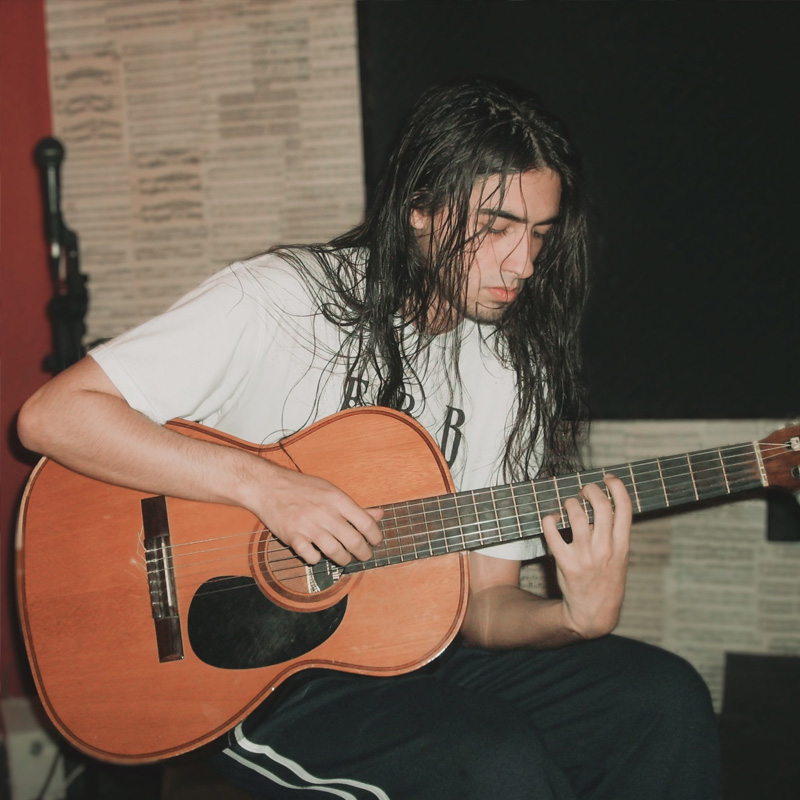
Phil dove into jazz, music theory, production. Days turned into months, months into years, until he became a multi-instrumentalist maestro alone in his bedroom. He recorded The Mourning, his first progressive rock album. And he was baptized “Headway” by his English teacher Cristian Maia: a name-symbol of inner progress, of empowered lyrics, of rock that doesn’t step back.
In 2009, the family moved to Itapema because of financial hardship. No band, no studio, in a cramped apartment next to an empty lot. At dusk, the crickets sang. Reading A Course in Miracles, Phil had the idea that would change everything: the plot of Beyond the Secret Land. Without music at the moment, he dove into reading, philosophy, history, and religion. Nietzsche and the Bible became his company. That’s how Andrew Raven and the master Christopher Thompson, the Knight of Dreams, were born.
But music always spoke louder. Chopin, Mozart, Rachmaninov, Debussy weren’t enough for the world he was creating. Phil composed an instrumental soundtrack for the book. And the soundtrack became the bed for new lyrics with Maria Headway. The script for the musical The Dream Rider was born.
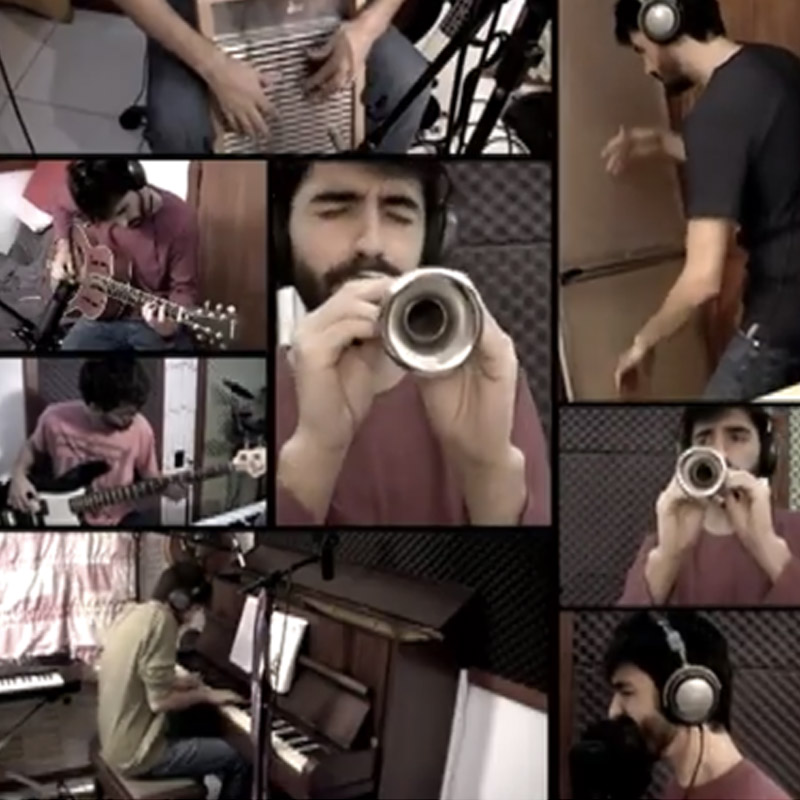
In mid-2011, Phil launched a YouTube channel with videosongs in the style of Jack Conte and Jacob Collier: him playing every instrument, frame by frame. It led to the album Headway. He recorded “Prince Ali” from Aladdin by tapping on a shower door, ending with over 100 audio tracks made entirely by him. The video exploded in views in 2014, becoming a topic on major international sites like Pop Crush, Tastefully Offensive, HuffPost, and was even mentioned on Smosh’s Facebook page.
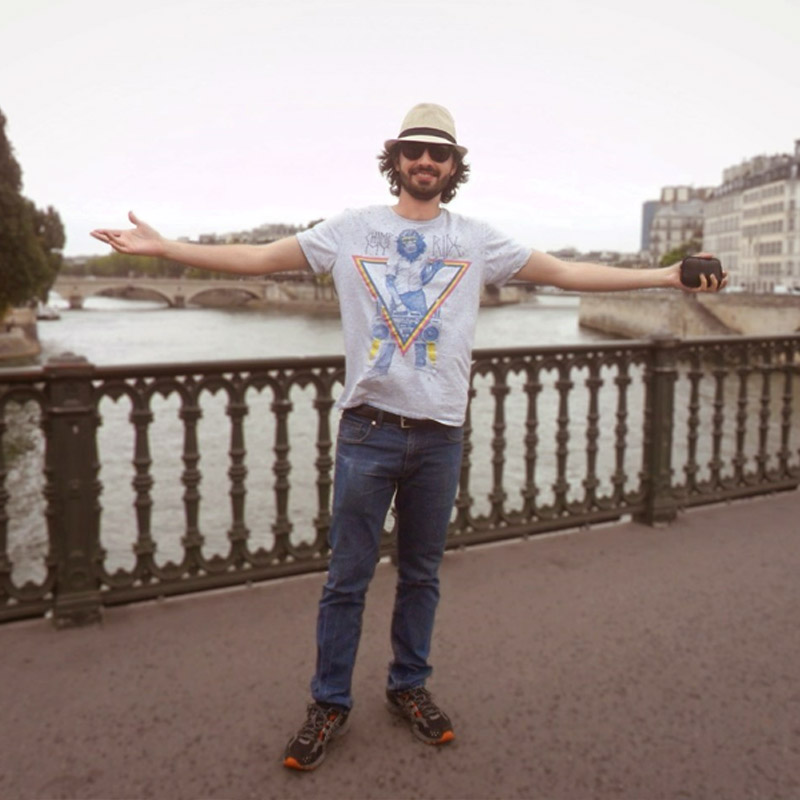
In February 2012, Phil moved to Dublin, Ireland, to continue the script for The Dream Rider. Through trips to Europe, he met refugees, young soldiers, musicians who could only sing a cappella because instruments were banned in their home countries. In London, he watched The Phantom of the Opera, The Lion King, Wicked, Chicago… Each musical, each story, became another brick for the musical and for the novel. It was also around this time that he got the nickname Captain Mockery, a slightly sarcastic tribute to his great-great-grandfather Domingos.
Back in Florianópolis, the end of 2012 brought the turning point: in November he met Tutti Headway. Shortly before, he had released “Jelly Bean,” the first of many vintage songs dedicated to her. The path had its ups and downs, distance, waiting. In 2018, when Tutti moved to Florianópolis, the relationship finally settled. And the book did too.
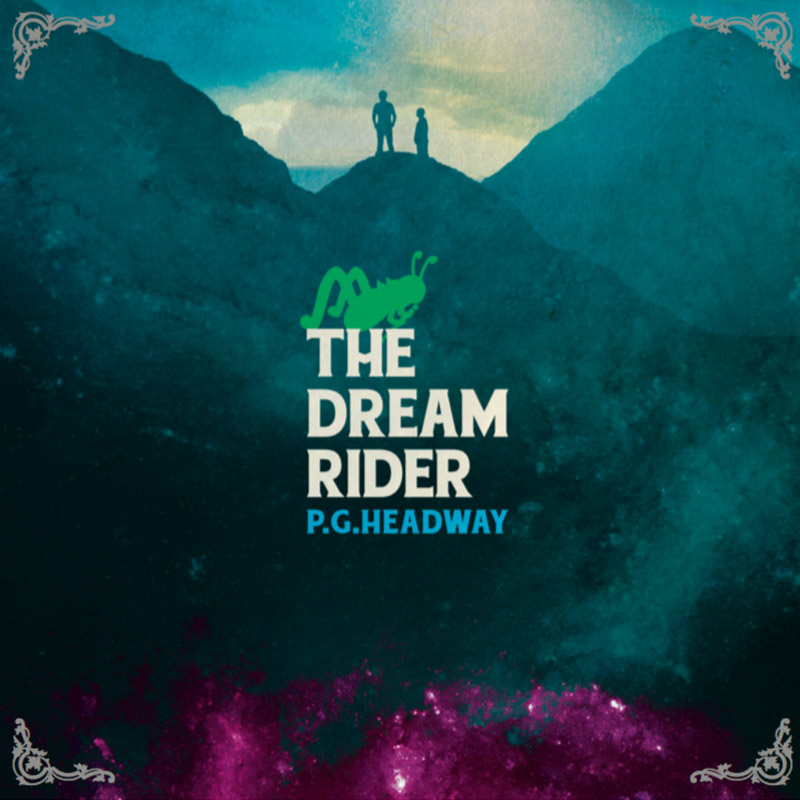
In 2015, Phil released the album The Dream Rider through a family cocktail party at his house, where he shared his victory with a select group and could talk about what was ahead: finishing the book that had inspired the musical. The album is made up of 18 songs entirely composed, orchestrated, and produced by Headway, with lyricist Maria Headway, and a large lineup of local instrumentalists and singers who gave body to the robust orchestra of the piece — a true masterpiece. It was a milestone moment: his mother was there, his brother was there, and Tutti was too.

From a tripod to a four-legged table, the Headways saw a significant shift in the family dynamic with Tutti joining, including in the creative and business vision of the Phil Headway name. Nine years had passed since the first scribbles of the novel Beyond the Secret Land, still called The Valley of Epiphyses. Phil’s writing style was still heavily influenced by his mother’s poetic literature, but Tutti’s arrival brought more artistic direction and helped him find his own author’s voice.
One of the key factors was the weekly Headway Team meetings, a group led by the author himself that helped him organize his ideas. The group consisted of Tutti, Maria, and Mario Lacerda, a great family friend who had a lot to add because of his mythological, symbolic, and human perspective. In these meetings they discussed the book’s plot, the psychological themes, and character creation. Not just through conversations, but also through dynamics created by Phil himself, the creative team could better visualize each character’s behavior and analyze what made sense to keep in the book and what should be cut.
On November 21, 2019, Beyond the Secret Land was released independently. It became an Amazon bestseller: #1 in Portuguese Fiction and Portuguese Romance, #3 in Fantasy. Literary YouTube channels and Instagram profiles spread the word. Thousands of books sold. Heated debates.
That collective frenzy inspired A Rebel Writer. Phil created Drake Kataroyan, a modern Bukowski, and invited Tutti to take part in every stage of the book to officially introduce her to the literary world, since he saw great potential in her too. The “Anima” perspective brought the missing sauce. The DISC method shaped the characters. The Hero’s Journey became the Writer’s Journey. In September 2021, during an Instagram Live: #1 bestseller in two categories.
In October 2022, Phil returned to music with a challenge: release an album with no label, no structure. Not even a decent audio interface or a good guitar. Tutti stepped in: “You need to follow your purpose, you need to hit the road.” He bought a Taylor, an electric piano, a new interface, microphones. The starting gun had fired — the album Philline was on its way.
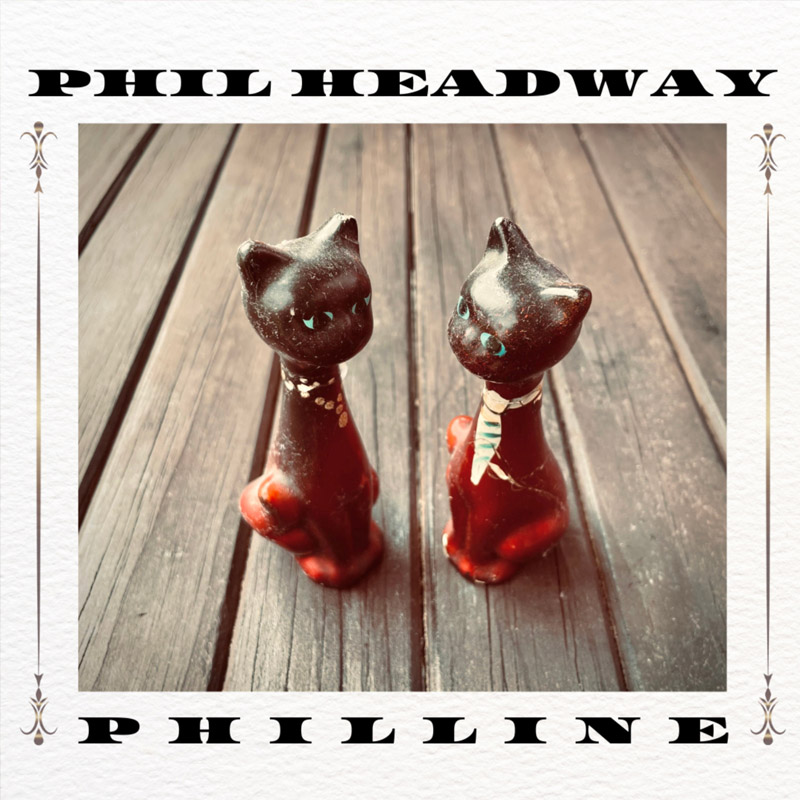
Track 1, “I Just Have Started to Live,” is the prelude to everything that was coming: follow your purpose, no matter the cost. Philline was released on November 11, 2023, with 11 tracks. Among them, the big hit “Freedom of a Diamond in the Rough,” “752,” “Magic Eyes,” and “Soul Fluids” — the song mentioned in Beyond the Secret Land. The album draws from classic rock, folk, and blues, with lyrics that are sometimes motivational, sometimes political. The songwriter also makes a statement in “Skiffle is My Name”: there are no labels here, I write music, not genres. The album closes with “Your Fellas,” a beautiful Christmas song inspired by the spirit of Irish pubs.
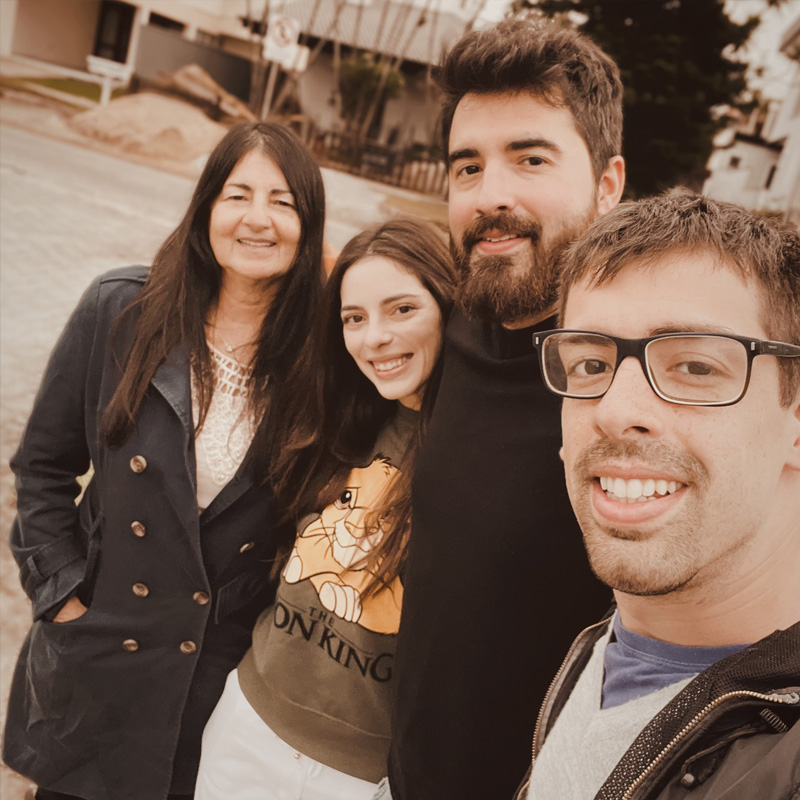
Phil and Tutti’s wedding took place on August 9, 2024. Twelve years later. Tutti dressed as a ballerina, Phil as a lumberjack. Outside the norm, as always. The event was intimate, bringing together only both families in a cozy Italian restaurant. The couple always knew the bond was soul-deep. Signing was just the world catching up.
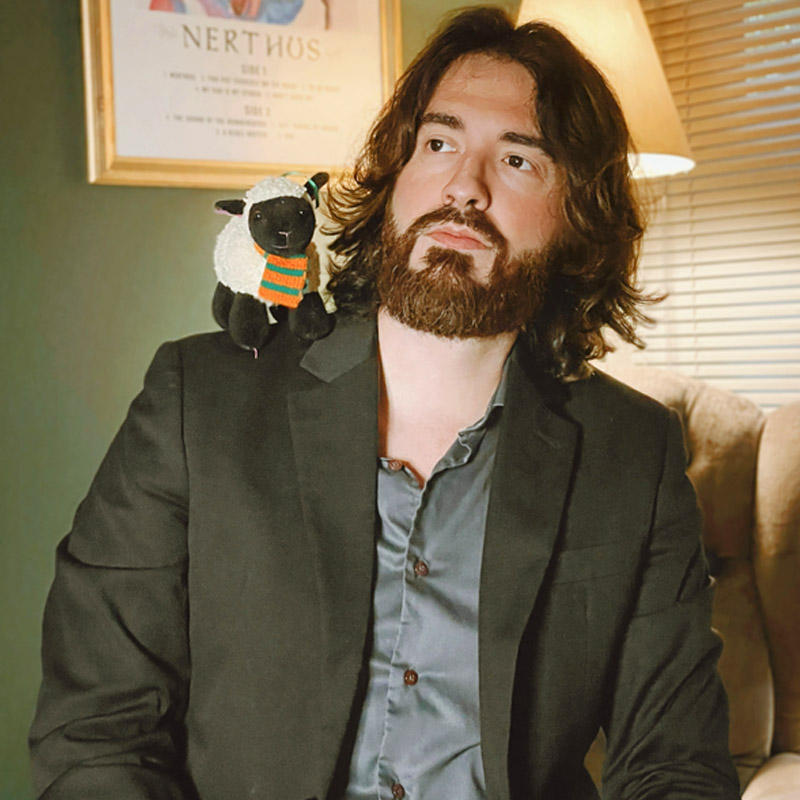
Protecting purpose also became the theme of Nerthus (2025), which comes heavier, starting with a call to life’s battle, to raise the sword and hit the road. The weight of the drums and Floyd Rose screams all signal that Headway’s return to music was only just beginning.
Highlights include the blues “My Van is My Studio,” which made it to Spotify’s Radar, and “A Rebel Writer,” a song inspired by the book A Rebel Writer. “Don’t Dude Me” also deserves mention, because beyond an extremely creative lyric, it has an arrangement weaving between blues, modern rock, and jazz, with resonator guitar call-and-response, piano and guitar solos, and a drum snare mixed with the sound of an aluminum pizza pan.
On this album too, Headway revives “999,” played by his old band FBB, and closes with a golden finish.
Also in 2025, the album The Answers was released, hailed by major critics as the best of his career so far. The song “Cannies of Truth” shows Phil didn’t come to play. The lyrics were written with his wife Tutti, and the message carries questions worth debating. Next comes the title track, “The Answers,” which gives no answers at all, just a series of questions. The album’s tracklist unfolds subtly, with one song seeming to complete the next, making it hard to pick a favorite. “An Envious Tree” brings Celtic-Irish elements and the weight of rock opera, ending with a powerful choir crying for mercy. “When I Try” sets free, “Goo Goo Girl” moves you, “Here on the Other Side” touches the soul. A perfect mix that stirs our emotions and invites us to dream and travel through this vast Secret Land that Headway is set on sharing with the world. The key, the one he wears on his chest, is also on the streaming play button. Just press it.